A place for future, not past
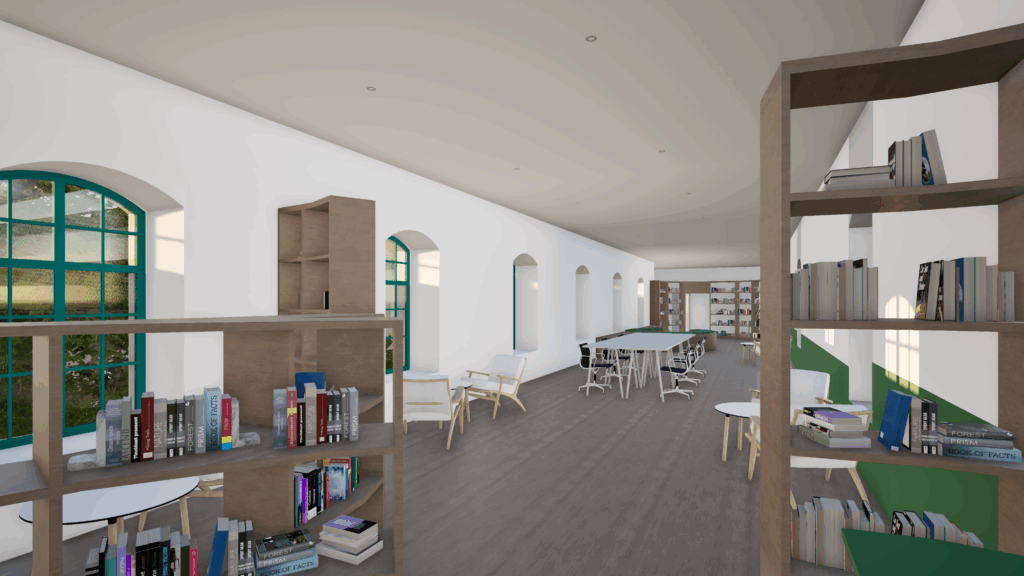
For my graduation project, I designed the redevelopment of the Caermers Convent in Ghent into a small-scale detention home for young adults. Not as a penal institution, but as a place where growth, responsibility and connection are central.
Within the building, I developed a modular living concept: a combination of fixed structure and adaptable elements. This gives young people the space to design their rooms partly as they wish. This sense of autonomy and ownership is essential for their mental well-being at their age, and in this context.
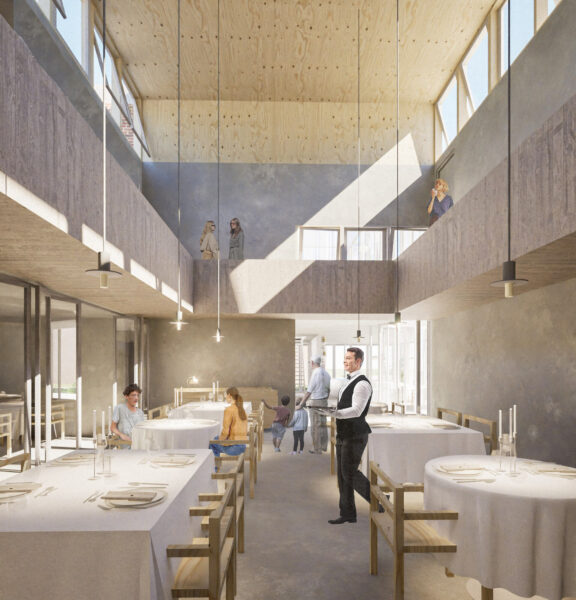
At the heart of the project is an alcohol-free brasserie where local residents and young people can meet. This openness promotes social inclusion and lowers the threshold between inside and outside.
The young people are also given responsibility in the day-to-day running of the house, which supports their development towards independence. The project deliberately focuses on their future, not their past.
With this design, I want to show how architecture can be a lever for recovery and connection — inside and outside the walls.